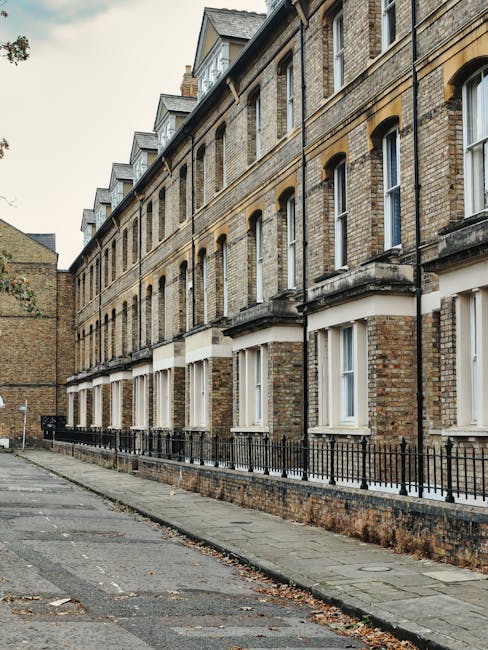
Redcliffe Gardens removals advice for Victorian terrace moves

Moving house in Redcliffe Gardens sounds straightforward until you meet the reality of a Victorian terrace: narrow staircases, awkward turning spaces, tight front gardens, and a van that seems to suddenly grow by half a metre when you need it not to. If you are planning a move here, the best Redcliffe Gardens removals advice for Victorian terrace moves is simple: plan for access first, furniture second, and speed last. That order saves time, money, and a fair bit of stress.
Victorian terraces can be beautiful to live in, but they are not always forgiving on moving day. You may need to protect bannisters, measure large furniture twice, think carefully about parking, and decide whether a full team or a more flexible man and van style service is the smarter fit. This guide walks through the practical side of the move, from first checks to final sweep, so you can handle it with less faff and more confidence.
If you are moving locally, or simply relocating from one terrace to another, the good news is that the process becomes much easier once you know what Victorian homes tend to throw at you. Let's get into it.
Why Redcliffe Gardens removals advice for Victorian terrace moves Matters
Victorian terrace moves are not difficult because the items are mysterious. They are difficult because the building itself creates friction at every stage. Hallways are often narrow. Stair turns can be sharp. Landings can be tiny. The front door might open into a tight path, and one badly judged sofa move can leave you with scuffed walls, bruised shins, and a lot of apologising.
In Redcliffe Gardens, those challenges matter even more because local streets often require a bit of thought about loading, timing, and where a vehicle can safely stop. The whole move can still run smoothly, but only if you approach it like a terrace move rather than a generic house move. That distinction is the difference between a tidy loading sequence and three people standing in the hallway saying, "Well... it looked smaller in the photos."
The advice matters for another reason too: your move day is not just about transporting items. It is about protecting the property, avoiding unnecessary damage, and making sensible decisions about what should be moved, dismantled, stored, recycled, or disposed of before the van arrives. For many households, using a tailored home moves service gives the right balance of support and flexibility.
Expert summary: the best Victorian terrace move is the one that respects the building. Measure the space, reduce bulky items, protect the route, and keep the loading order simple. Everything else becomes easier.
How Redcliffe Gardens removals advice for Victorian terrace moves Works
The process starts long before moving day. First, you identify the physical constraints of the property. That means checking stair width, ceiling height on turns, door openings, and any awkward pieces of furniture that may not clear the route in one piece. Then you decide whether items need dismantling, wrapping, or separate handling. Sounds obvious, but this step is skipped more often than you would think.
Next comes access planning. For a terrace move, the loading zone is nearly as important as the house itself. Where will the vehicle wait? How long can it reasonably stay there? Can you move items directly from the front door to the vehicle, or is there a longer carry from a side street? A vehicle choice such as a moving truck or a smaller van depends on volume, access, and how much manoeuvring space you actually have.
Then there is the order of operations. Good removals teams load in a sequence that protects delicate items and keeps unloading logical at the other end. Heavy boxes go first, fragile items are secured separately, and awkward furniture is often loaded last so it can be removed in the reverse order. It is a simple system, but it saves a lot of head-scratching later.
Finally, there is the human side. Someone needs to direct traffic through the house, answer questions, and make quick decisions when the wardrobe won't quite fit through the landing. That role matters. A calm decision-maker prevents the move from becoming a series of small emergencies.
Key Benefits and Practical Advantages
Following proper terrace-move advice gives you benefits that are easy to underestimate until the day arrives. The first is speed. When access has been planned, items are already grouped and labelled, so there is less stopping and starting. That can make a noticeable difference on a narrow street where everyone is watching the clock.
The second is reduced damage risk. Victorian homes are charming, but the finishes can be vulnerable: painted walls, old plaster, delicate banisters, and original floorboards that mark easily. When furniture is wrapped properly and handled in the right sequence, those historic little quirks stay intact. Which is the whole point, really.
The third is lower stress. A move feels completely different when you are not improvising every five minutes. You know what is leaving first, what needs special care, and what can be dismantled if needed. That clarity is worth a lot. Truth be told, it often matters more than having the fanciest vehicle on the street.
You also get better value from your removal budget. Less time wasted on delays, less risk of needing emergency solutions, and fewer repeat trips. If you need careful handling for storage items, larger pieces, or mixed loading, removal truck hire can make sense when matched to the actual scale of the move.
- Faster loading and unloading
- Less risk of wall, stair, and furniture damage
- Better use of labour and vehicle space
- Cleaner decision-making on the day
- Less disruption for neighbours and pedestrians
Who This Is For and When It Makes Sense
This advice is most useful if you are moving in or out of a Victorian terrace in Redcliffe Gardens, especially if the property has internal stairs, narrow access, or antique features that need protecting. It is also a good fit if you are moving with children, pets, or a fairly mixed collection of furniture that has grown over the years. Most households, honestly, are a bit like that.
It makes sense for people who want a move to feel organised rather than frantic. That could mean first-time buyers, renters changing address across the local area, or homeowners moving after renovations. It is also relevant if you are downsizing and need to decide what stays, what goes, and what should be cleared before the main move.
If your move includes business items, filing, or mixed domestic and commercial contents, a broader service may help. For example, if you are relocating a work-from-home setup or a small office from a terrace property, commercial moves guidance can be useful alongside household planning.
And if the move is relatively small, say a one-bedroom terrace or a partial move between nearby addresses, a flexible service like man with van can often be the sweet spot. Not too much, not too little.
Step-by-Step Guidance
Here is a practical way to approach a Victorian terrace move in Redcliffe Gardens without making it complicated.
- Survey the property early. Measure doorways, stair turns, narrow hallways, and any furniture that might be awkward. Use a tape measure, not guesswork. Guesswork is how sofas become architectural problems.
- Decide what needs dismantling. Beds, wardrobes, dining tables, and some shelving units are easier to manage in parts. Keep screws and fittings in labelled bags.
- Group items by room and priority. Pack and stage boxes in logical zones so the team can work through the move without blocking the stairs. Hallways should stay as clear as possible.
- Protect the property. Put down covers for floors, wrap vulnerable furniture, and watch contact points on banisters and corners.
- Check vehicle access and parking. Make sure the loading plan suits the street, the timing, and the available space. If needed, choose a vehicle that can actually fit the environment rather than one that looks impressive on paper.
- Set aside essentials. Keep documents, chargers, toiletries, medication, and a kettle box separate. The first hour in the new place always feels better when the basics are easy to reach.
- Load in a controlled order. Heavy and sturdy items go first, fragile items are secured carefully, and anything you will need quickly is last in or clearly marked for unloading first.
- Do a final sweep. Check loft spaces, under beds, behind doors, and in cupboard corners. You would be surprised how often a charger, a key ring, or a child's favourite book gets left behind at the last minute.
If packing feels like the part that steals your weekend, professional help can be worth looking at. A structured packing and unpacking service can reduce chaos and keep fragile items better protected.
Expert Tips for Better Results
One of the best tips is to treat stairs like a route, not just a feature. Identify where the tightest turn sits, where a mattress may flex, and where a chest of drawers will catch. That route planning sounds fussy. It is fussy. But in the best possible way.
Another tip: keep the boxes lighter than you think they need to be. Victorian terrace stairs are hard enough without lifting overfilled boxes that strain the wrists and leave your shoulders complaining by mid-morning. Books, crockery, and files are the usual culprits. Split them up.
Labeling matters more than decoration on moving day. Clear room labels, fragile markings, and notes like "load last" or "open first" help everyone. And yes, the handwriting can be scruffy. That is fine. We are moving house, not curating an exhibition.
If you have large furniture that is no longer worth moving, consider clearing it before the main day. Old mattresses, tired sofas, or unwanted appliances can eat up time and space. Services such as mattress and sofa disposal, fridge and appliance removal, or furniture pick up can help you start with a cleaner slate.
A small but useful habit: keep a roll of tape, marker pen, cloths, and a couple of zip bags in your pocket or handbag. Not glamorous, admittedly, but it saves time when the last screw or lamp shade suddenly matters. Funny how that happens.
Common Mistakes to Avoid
The biggest mistake is underestimating access. People often focus on the destination while ignoring the staircase, the kerb, or the turning circle at the front. Then move day arrives and everyone discovers that "it should be fine" was not a plan at all.
Another common issue is overpacking boxes. Heavy boxes slow everything down, especially if they need to be carried up or down steep internal stairs. A box that feels okay at ground level can become a problem on the second flight. Easy mistake. Painful consequence.
Here are a few others worth avoiding:
- Leaving packing until the night before
- Not measuring large furniture against stair turns
- Forgetting to protect walls, floors, and banisters
- Not clearing unwanted items in advance
- Assuming parking will sort itself out
- Having no clear point person on the day
There is also a quieter mistake: not checking the wider trust and security side of the move. You want to know how payment works, what insurance is in place, and how the company handles your belongings. Pages like insurance and safety and payment and security are useful reading before you commit.
Tools, Resources and Recommendations
You do not need a warehouse full of equipment for a terrace move, but a few basic tools make a big difference. A decent tape measure, furniture blankets, strong tape, labels, a marker pen, and a trolley or sack truck can all help. If you are moving anything heavy, make sure lifting straps or a hand truck are suitable for the items and the route. Common sense, but worth saying.
For planning, a simple room-by-room inventory is the most underrated tool of all. You can do it on paper, in a notes app, or on the back of a cereal box if that is your style. The point is to know what is moving, what is being stored, and what can be removed beforehand.
If you want to read more about the business behind the move, the company's about us page can help you understand who you are dealing with, while the pricing and quotes page is useful for comparing how different move sizes may be approached.
For customer reassurance and practical process details, it can also help to review the site's pages on health and safety policy and recycling and sustainability. Those do not make the move magically easier, but they do show how the wider service is framed.
Law, Compliance, Standards, or Best Practice
For most residential moves, the key compliance issues are practical rather than dramatic. You need to move safely, avoid damage, handle belongings properly, and dispose of unwanted items responsibly. If you are getting rid of old furniture, appliances, or mixed waste, use reputable disposal routes and avoid leaving anything where it could create an obstruction or unsafe condition.
In the UK, good practice also means being careful with hazardous or restricted materials. Certain items need special handling rather than being loaded casually with household contents. If you are unsure whether something should be moved, stored, or disposed of separately, ask before the day rather than after it becomes a problem.
If a move involves documents, sensitive paperwork, or business records, secure handling matters too. In that situation, services such as confidential shredding can be a sensible companion service. It is one of those things people often leave until the very end, then suddenly realise there are old files, bank letters, and paperwork everywhere.
Best practice is not just about avoiding trouble. It is about being considerate of neighbours, keeping access clear, and making sure the move does not create hazards on the pavement or inside the property. A careful move is usually a quieter one, and that is no bad thing.
Options, Methods, or Comparison Table
Different terrace moves call for different setups. A one-size-fits-all approach is rarely the smartest option. Here is a simple comparison to help you think through the choice.
| Option | Best for | Strengths | Watch-outs |
|---|---|---|---|
| Man and van | Small to medium terrace moves, partial loads, local relocations | Flexible, usually efficient, good for tight access | Less suited to very large loads or complex multi-room moves |
| House removalists | Full-house moves with more furniture and coordination | More support, better for structured moving plans | May be more than you need for a smaller terrace move |
| Removal truck hire | Moves needing a larger load space or multiple bulky items | Good capacity, useful for heavier house contents | Street access and parking need careful planning |
| Packing support | Busy households, fragile items, time-poor movers | Better protection, less last-minute stress | Needs clear priorities and a little advance notice |
To be fair, most terrace moves end up being a mix of methods. You might combine a small van for access, some packing support for fragile belongings, and separate disposal for bulky items that no longer deserve a place in the next home.
Case Study or Real-World Example
Imagine a typical Redcliffe Gardens terrace move on a damp Thursday morning. Nothing dramatic, just a normal London day with a slightly grey sky and a pavement that is just busy enough to make parking matter. The household has a sofa, a king bed, several bookcases, a dining table, and far more boxes of books than anyone wants to admit.
The first thing done is a quick access check. The sofa will not take the hallway corner as one piece, so it is wrapped and measured again, then separated into a better loading order. The bed frame is dismantled, labelled, and bagged. Books are split into smaller boxes because nobody wants a 25kg carton on a narrow stair.
Before the van arrives, the owners remove an old appliance and a spare mattress that they do not want in the new place. That clears space, cuts down on wasted lifting, and makes the loading sequence cleaner. By the time the team starts, the hallway is open, the route is protected, and the main decision is simply where each item goes in the new property.
The move is not glamorous. There is a kettle boiled on a side table, one slightly lopsided box of mugs, and a neighbour who waves from across the road. But it works. No panic, no smashed glass, no last-minute "can this fit through the door?" drama. That, really, is what good terrace-move advice should deliver.
Practical Checklist
Use this checklist in the final days before moving. It is basic, but basic done well beats clever done badly.
- Measure key furniture and the narrowest points in the property
- Confirm how the vehicle will access the street
- Decide which items need dismantling
- Label boxes by room and priority
- Set aside essentials for the first 24 hours
- Protect floors, walls, and bannisters
- Arrange disposal or collection for unwanted bulky items
- Keep valuables and documents with you
- Check insurance, payment terms, and service details
- Do a final sweep of cupboards, lofts, and under stairs
If you are moving a smaller load, a flexible man and van arrangement can be a neat fit. For larger homes, or where the furniture list is long and a bit unruly, a fuller house removalists option may be more appropriate.
Get a free quote today and see how much you can save.
Conclusion
Redcliffe Gardens removals advice for Victorian terrace moves comes down to one central idea: respect the property and the move becomes much easier. Measure the route, plan the loading, clear what you do not need, and choose the right support for the size of the job. That approach protects your home, your furniture, and your peace of mind.
Victorian terraces have character, but they reward preparation more than speed. If you take the time to think through access, packing, and vehicle choice, the day itself feels far more manageable. A little planning now can save you a lot of shoulder-shrugging later.
And once the boxes are in, the kettle's on, and the hallway is finally quiet, you will be glad you did it properly. That calm first cup in a new home? Worth the effort.
Frequently Asked Questions
What makes Victorian terrace moves in Redcliffe Gardens more difficult than other moves?
Usually it is the combination of narrow hallways, stair turns, older finishes, and tighter street access. None of those are impossible, but they do need more planning than a more open modern property.
Should I dismantle furniture before moving day?
If a bed frame, wardrobe, table, or shelving unit might struggle through the route, yes. Dismantling often saves time and reduces the chance of damage. Keep fixings in labelled bags so reassembly is not a guessing game.
Is a man and van service enough for a Victorian terrace move?
For smaller or medium-sized moves, it often is. If you have fewer bulky items, local access, and a reasonably straightforward load, a man and van service can be very practical.
How do I protect walls and banisters during the move?
Use furniture blankets, corner protection, and careful route planning. The main thing is to slow the handling down at the tight points. That is where most bumps happen.
What should I do with items I do not want to take?
Separate them early and arrange the appropriate disposal or collection before moving day. Bulky items such as old sofas, mattresses, and appliances are best dealt with ahead of the main load if possible.
How far in advance should I start packing?
Earlier than most people think. A steady two-to-three-week lead time is often more comfortable for a full household move, especially if the property has stairs or you are sorting through a lot of belongings.
Do I need a larger vehicle for terrace moves?
Not always. Vehicle size should match the access and the load. Sometimes a smaller, more flexible vehicle is actually the smarter choice because it is easier to position on a narrow street.
What items should I keep with me on moving day?
Keep valuables, keys, documents, medication, chargers, a change of clothes, and any essentials for children or pets with you. It makes the first day in the new place much calmer.
Are there any special safety concerns with older Victorian homes?
Yes. Older plaster, original floors, and steep stairs can be more vulnerable to impact and wear. Gentle handling and good protection for the route are the best safeguards.
Can packing help be worth it for a terrace move?
Absolutely, especially if you have fragile items, limited time, or lots of rooms to work through. A structured packing and unpacking service can reduce stress and make loading more efficient.
How do I compare removal options before booking?
Look at the scale of the load, the type of access, the level of packing support you need, and how much flexibility matters. A smaller move may suit a flexible van-based option, while a larger household may need a fuller removal setup.
What is the most common mistake people make with terrace moves?
Underestimating access. People often think the furniture is the hard part, but the route through the house and the street outside usually decide how smooth the day will be.