Earls Court Station removals tips for tight access jobs
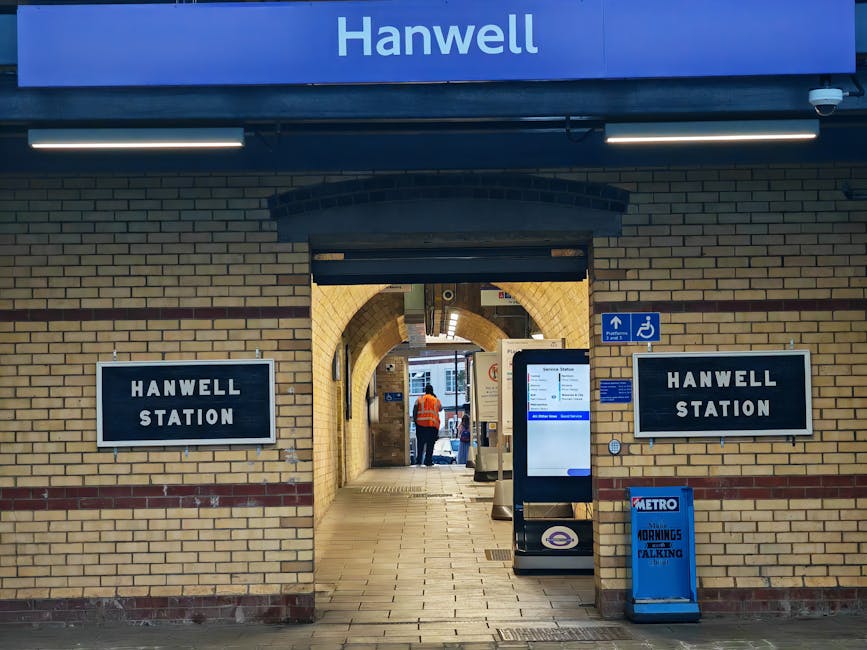
Moving near Earls Court Station can feel straightforward on a map and then suddenly awkward the moment you stand outside with a sofa, a trolley, and a staircase that seems to have appeared from nowhere. That is the reality of Earls Court Station removals tips for tight access jobs: it is less about brute force and more about timing, planning, and making sensible decisions before the first box is lifted.
Whether you are dealing with narrow hallways, basement flats, limited parking, shared entrances, or a van that cannot sit outside for long, the details matter. In this guide, you will get practical advice that actually helps in the real world: how to plan a tight-access move, what to measure, what to pack first, which mistakes cause delays, and how to reduce stress on moving day. Let's face it, nobody wants to be negotiating a king-size mattress around a bend at 8:15 in the morning.
If you want a broader sense of how the team approaches everyday moving jobs, you may also find the information on man with van services and home moves useful while planning your move.
Table of Contents
- Why tight access removals near Earls Court Station matter
- How a tight access move usually works
- Key benefits and practical advantages
- Who this is for and when it makes sense
- Step-by-step guidance
- Expert tips for better results
- Common mistakes to avoid
- Tools, resources and recommendations
- Law, compliance, standards, or best practice
- Options, methods, or comparison table
- Case study or real-world example
- Practical checklist
- Conclusion
- Frequently asked questions
Why Earls Court Station removals tips for tight access jobs Matters
Tight access changes everything. A move that looks quick on paper can take much longer if the property has a narrow stairwell, awkward turns, no lift, a low archway, or a loading spot that is shared with taxis, deliveries, and impatient neighbours. Near a busy transport hub like Earls Court Station, the pressure goes up again because road space is limited and timing matters. You are not just moving furniture; you are managing access, flow, and disruption.
The real issue is that delays compound quickly. If one item cannot fit through a doorway, the team may need to re-angle it, remove legs, or carry it in pieces. If the parking spot is too far away, every box takes longer. If the lift is booked or unavailable, the stair route becomes the whole job. A well-planned tight-access move avoids those hidden time drains.
There is also a safety angle. Repeated twisting in a cramped landing is how backs get strained, plaster gets chipped, and awkward items get damaged. In our experience, the most expensive part of a difficult move is not always the vehicle or the labour. It is the avoidable damage caused by rushing.
So why does this topic deserve its own guide? Because access is not a small detail. It is the difference between a smooth move and a long, frustrating one. And once you understand how to plan for it, the whole job becomes far less intimidating.
How Earls Court Station removals tips for tight access jobs Works
A tight-access move works best when you treat it like a short project rather than a single lift-and-go task. The process normally starts with checking what can actually be carried out, how it will turn corners, and where the vehicle can stop. That sounds obvious, but in busy London streets, "I think we can probably manage" is rarely enough.
First, you assess the property. That means looking at door widths, stair bends, ceiling height, lift size if there is one, and whether large items can be dismantled. Then you look outside: Is there space to park close enough? Will you need a short stop, a paid bay, or a timed arrival to reduce waiting? Is the route from property to van clear, or will you be carrying items through a shared hallway?
Next comes the packing plan. Not everything should be packed the same way on a tight-access job. Small fragile items should be boxed securely and kept easy to carry. Bulky furniture should be stripped down where possible. Appliances need their own handling plan, especially if they are heavy or awkward. If you need help with the packing side, the company's packing and unpacking services can make a huge difference when you are short on time.
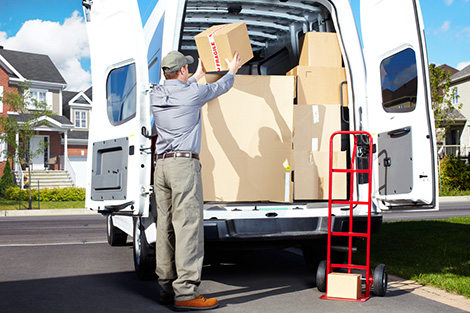
Finally, the loading sequence matters. The best approach is usually to load the largest, heaviest, least flexible items first, then fill around them with boxed items and softer pieces. On a difficult access job, good sequencing saves steps. Bad sequencing creates backtracking, and backtracking is where the day starts to slip.
It is a bit like solving a puzzle while carrying a wardrobe. Not glamorous, but very manageable with the right approach.
Key Benefits and Practical Advantages
When tight-access planning is done well, the benefits are immediate. The move feels calmer, items are less likely to get damaged, and the crew spends more time moving things and less time improvising. That last part matters more than people think.
- Less delay: A clear route and sensible arrival time reduce waiting, repositioning, and repeated handling.
- Lower damage risk: Measured furniture and protective packing mean fewer knocks on walls, banisters, and door frames.
- Better use of labour: Every extra minute in a narrow stairwell costs energy. Good planning keeps people fresh.
- More accurate pricing: When the access conditions are known in advance, quotes are usually more realistic.
- Less stress for the resident: You are not trying to make decisions while standing in a hallway with the fridge halfway out.
There is also a practical financial benefit. A move that runs smoothly is less likely to need extra time, last-minute changes, or repeated trips. If you are comparing options, the page on pricing and quotes is a useful starting point for understanding how moving jobs are usually estimated.
And for bigger or more complex relocations, a properly sized vehicle matters too. A job with multiple bulky items may be better served by a moving truck or removal truck hire than by trying to squeeze everything into a vehicle that is simply too small. That mismatch is a classic moving headache. Avoid it if you can.
Who This Is For and When It Makes Sense
This advice is for anyone moving from or around Earls Court where access is tight, but it is especially relevant if your home or office has one or more of these features:
- basement or top-floor flats with stairs only
- narrow communal hallways or old Victorian-style staircases
- limited kerbside parking
- heavy furniture that cannot be carried upright for long
- no lift, or a lift that is too small for larger items
- shared entrances with neighbours and regular foot traffic
- a move that has to be completed quickly because of building rules or time restrictions
This is also useful if you are moving a smaller load and need a flexible setup rather than a full-size removal lorry. In that case, a man and van or man with van service can be a practical fit, especially where access is tight and you do not need a huge vehicle blocking the street.
Businesses are not exempt either. Office moves around busy transport areas often need careful staging so desks, chairs, and files can be moved without disrupting staff or neighbours. If that sounds familiar, see the commercial moves and office relocation services pages for related planning support.
Truth be told, tight access does not always mean "small move." Sometimes it means a fairly normal move in a very awkward building. That is a different challenge altogether.
Step-by-Step Guidance
1. Survey the access before move day
Walk the route from the room to the street. Measure the widest and narrowest points. Look at handrails, corners, door swings, and any low ceilings. If there is a lift, check whether it can take the items you need to move. Do not guess. Guessing is how a sofa gets stuck with everyone standing there in silence for two very long minutes.
2. Decide what should be dismantled
Some furniture is much easier to move with legs, shelves, or doors removed. Beds, wardrobes, tables, and certain desks often benefit from a partial dismantle. Keep screws and fittings in labelled bags. A tiny bag of fixings can save a huge amount of frustration later.
3. Pack for carry distance, not just storage
On tight-access jobs, the best packing is not only about protection. It is about grip and weight. Use small to medium boxes rather than oversized ones. Put heavy items in manageable containers. Make sure fragile boxes are clearly marked, and avoid overfilling so nothing bursts open halfway down the stairwell.
4. Plan the vehicle position
Before the van arrives, think about where it will stop and how long it can stay there. A short walk from the property to the vehicle is fine if it is planned for. It is not fine if everyone discovers the loading point is a good bit further away than expected. That extra distance really adds up.
5. Load in the right order
Heavy, solid items go in first. Softer items and boxes fill the gaps. Keep essentials accessible if you need them at the other end. If the vehicle is fully loaded in the wrong order, the unloading process becomes a sorting exercise, and nobody enjoys that at 5pm.
6. Allow breathing room in the schedule
Tight-access work often takes longer than standard access work. Build a margin into the plan. If you think an hour is enough, it may be wise to allow more. Not because the move is impossible, but because awkward access is rarely linear.
A simple rule helps: if you are asking yourself, "Will this fit?", check it before the van arrives. If you are asking, "Can we carry this safely?", slow down and rethink the route.
Expert Tips for Better Results
Small decisions make a surprisingly large difference on difficult jobs. Over time, a few patterns become obvious.
Use shorter carry loads. Even if one person is strong, narrow stairs and turns reward teamwork more than heroics. Two manageable lifts are better than one awkward one.
Protect contact points first. Door frames, banisters, and corners are where damage starts. Basic protection on these points can save redecoration later.
Keep one person coordinating. On tight-access jobs, it helps if one person controls the flow rather than everyone shouting half-ideas up the stairs. A calm lead is worth a lot.
Take the awkward item out first, not last. The biggest obstacle often belongs at the start of the day, not the end. If you leave it until you are tired, the risk goes up.
Use the building's rhythm. Around a busy station area, timing matters. Mid-morning or early afternoon can sometimes be easier than rush hour, though local restrictions and building rules may shape that more than anything else.
If you are moving a mix of furniture and bulky household items, it can be sensible to combine services. For example, old sofas or appliances that you no longer want may be better handled separately through mattress and sofa disposal or fridge and appliance removal instead of trying to force them into the main move. That keeps the moving day cleaner and simpler.
One more thing: label rooms clearly. It sounds basic, but on a cramped staircase, nobody wants to carry the same box up and down because its destination was vague. Honestly, it happens more often than people admit.
Common Mistakes to Avoid
- Not measuring properly: Door widths, stair turns, and lift dimensions need checking before the job begins.
- Using oversized boxes: Big boxes are fine until they become too heavy to carry safely on stairs.
- Ignoring parking realities: If the van cannot stop nearby, the schedule should reflect that from the outset.
- Leaving dismantling until move day: Last-minute furniture stripping slows everything down and creates missing-parts problems.
- Overpacking fragile items: A box that is too heavy is more likely to split or get dropped.
- Forgetting disposal needs: If an item is not going to the new place, separate it early and arrange the right disposal route.
There is a very human mistake that comes up a lot too: assuming the move will somehow become simpler once the vehicle arrives. It does not. If anything, that is when poor planning becomes painfully visible.
Where waste, old furniture, or appliances are involved, be careful about what goes where. For example, hazardous items need proper handling, and the guidance on hazardous waste disposal and recycling and sustainability can help you think through the options in a sensible way.
Tools, Resources and Recommendations
You do not need a warehouse full of specialist gear, but the right basics help a lot. For tight-access removals, a sensible toolkit usually includes:
- measuring tape
- strong packing boxes in different sizes
- tape, labels, and marker pens
- protective blankets or wraps for furniture
- basic tools for dismantling beds or tables
- gloves with a decent grip
- bags for screws, bolts, and loose parts
- door frame and corner protection where needed
In some cases, the "resource" is not a tool but a service choice. If your move is small and access is awkward, a flexible service like man and van can be more practical than over-specifying the vehicle. If the job is larger or involves a lot of items, a removal truck hire option may be a better fit.
For specialist household items and extra services, it may be worth checking whether separate removal support is appropriate. Furniture pick up can be useful for individual items, while house removalists can be a better route for more structured domestic moves. That kind of matching makes the day feel more organised right from the start.
If you are unsure what your move really needs, a quick conversation usually helps. The details matter more than the headline description.
Law, Compliance, Standards, or Best Practice
For London removals, the biggest compliance issues are usually practical rather than dramatic: safe lifting, responsible parking, sensible waste handling, and respecting building rules. You do not need to become a legal expert to avoid trouble, but you should treat the basics seriously.
Best practice includes protecting people first. That means avoiding overloaded boxes, not carrying items in a way that blocks sight lines, and taking care on stairs and tight landings. It also means being realistic about what can be moved safely by one person versus two. In a cramped Earls Court property, "can be done" and "should be done" are not always the same thing.
If any items are being discarded, the disposal route should match the item type. Appliances, confidential materials, and waste that may be hazardous all need the right handling. For business moves, services such as confidential shredding can be relevant where files or paperwork are leaving the office.
It is also sensible to review company policies if you want reassurance about how work is handled. Pages such as health and safety policy, insurance and safety, and payment and security help build trust around how a move is organised. That matters. People want to know their belongings are being treated carefully, not just moved quickly.
Options, Methods, or Comparison Table
Choosing the right approach depends on the size of the move, the access constraints, and how much dismantling or handling you can manage yourself. Here is a simple comparison that may help.
| Option | Best for | Strengths | Possible drawback |
|---|---|---|---|
| Man and van | Smaller loads, flexible access, short notice jobs | Good for narrow streets, easier to schedule, often cost-effective | May need more trips if the load is large |
| Moving truck | Larger home moves or bulkier loads | More space, fewer journeys, better for bigger furniture sets | Harder to position in very tight areas |
| Removal truck hire | Structured moves with many items | Useful when volume is high and loading has to be efficient | Can be more than you need for a small flat move |
| Combined moving and packing support | Busy households or rushed relocations | Less stress, better organisation, fewer last-minute issues | Requires more planning in advance |
For tight-access jobs near Earls Court Station, the best option is often the one that matches the access reality rather than the size of the furniture list. Small flat? Limited parking? Narrow stairwell? A nimble setup usually wins. Large family move with plenty of items? More capacity may be worth it.
Case Study or Real-World Example
Picture a one-bedroom flat a short walk from the station. The building has a narrow staircase, a front door that opens into a small lobby, and no lift. There is a sofa, a bed frame, a wardrobe, a desk, and a mix of boxes. Nothing outrageous. Nothing easy either.
The first smart decision is to dismantle the bed and wardrobe before move day. The second is to pack boxes into manageable weights rather than fill them to the brim. The third is to arrange a van that can load quickly and park as close as possible without creating a traffic problem. On the day, the largest items come down first, the boxes go in after, and the route is kept clear so nobody has to stop mid-carry.
The move still takes effort, of course. Tight access is tight access. But the day ends without scraped walls, emergency re-packing, or that horrible feeling that everything is taking twice as long as it should. That is the real win. Not perfection. Just a move that feels controlled.
It is a small example, but it captures the whole idea: careful planning turns a difficult access job into a workable one.
Practical Checklist
Use this checklist a day or two before the move, then again on the morning itself.
- Measure doorways, stair widths, and any lift dimensions
- Confirm parking or loading space near the property
- Identify furniture that needs dismantling
- Pack heavy items into smaller boxes
- Label all boxes by room and fragility
- Protect corners, rails, and door frames
- Set aside items that are not moving
- Arrange separate disposal for unwanted furniture or appliances
- Keep tools and fixings in clearly marked bags
- Allow extra time for loading and unloading
- Check that essentials stay accessible
- Have a phone contact ready for last-minute access issues
Expert summary: On tight-access jobs, the best move is almost never the fastest-looking one. It is the one that reduces carrying distance, avoids unnecessary lifting, and respects the reality of the building. Measure first, pack sensibly, choose the right vehicle, and leave a little space in the schedule. That is usually the difference between a chaotic day and a decent one.
Conclusion
Earls Court Station removals tips for tight access jobs are really about making smart, calm decisions before the heavy lifting begins. Measure properly, plan your route, choose the right vehicle, and do not underestimate how much time a narrow stairwell can add. The move becomes much easier when you stop treating access as an afterthought.
If you are dealing with furniture, appliances, or a mix of home and office items, it helps to match the service to the job rather than forcing everything into one approach. That is where good planning saves money, energy, and a lot of unnecessary stress. And yes, a little patience goes a long way too.
Get a free quote today and see how much you can save.
When the planning is solid, even a tight-access move can feel surprisingly manageable. One careful step at a time, that is usually how it works.
Frequently Asked Questions
What counts as a tight-access removal near Earls Court Station?
Any move where space is restricted enough to affect carrying, loading, or parking can count as tight access. Common examples include narrow staircases, no lift, basement flats, top-floor walk-ups, or limited kerbside space.
How far in advance should I plan a tight-access move?
As early as you reasonably can. Even a simple flat move benefits from early measurements and a clear idea of what needs dismantling. Last-minute planning is possible, but it usually costs you time and calm.
Do I need to dismantle furniture before the movers arrive?
Not always, but it often helps on tight-access jobs. Beds, wardrobes, tables, and some desks move more safely when partially dismantled. If you are unsure, check what can be removed without damaging the item.
Is a man and van service suitable for tight access jobs?
Often, yes. A flexible man and van setup can be ideal for smaller loads and awkward access, especially where a larger vehicle would be difficult to position.
How do I know whether I need a moving truck instead?
If you have a larger household load, multiple bulky items, or a move that would need several trips, a bigger vehicle may be more efficient. The right choice depends on volume as much as access.
What should I do if parking is very limited near my property?
Measure the walking distance from the parking spot to the entrance and factor it into your schedule. If the distance is too long, you may need a different arrival time, vehicle size, or loading strategy.
Can tight-access moves cost more?
They can, because they often take longer and may need extra handling. That said, a well-planned job can reduce extra time and keep the cost more controlled. Getting a clear quote helps a lot.
What items are hardest to move in narrow spaces?
Sofas, mattresses, wardrobes, fridges, and large desks are often the trickiest. They are bulky, awkward to turn, and easy to damage if carried in a rush.
How can I protect walls and bannisters during the move?
Use basic protection on corners and high-contact areas, keep carries controlled, and avoid turning large items too sharply. A little caution early on usually prevents a lot of repair work later.
Should I pack everything into large boxes to save time?
Usually not. Large boxes can become too heavy for stair carries, especially on tight-access jobs. Medium boxes are often the safer, more practical choice.
What if I have unwanted furniture or appliances as well as moving items?
Separate them early and arrange the right disposal route. Some items are better handled through dedicated services such as mattress and sofa disposal or fridge and appliance removal rather than mixing them into the main move.
What is the most common mistake people make on tight-access jobs?
Underestimating the access itself. People often focus on the number of boxes and forget the staircase, parking, and turning space. That is where the day usually becomes difficult.